
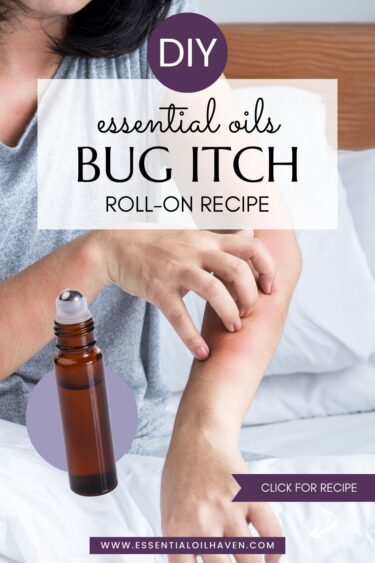
Bug bites have a way of turning a perfectly good outdoor day into an itchy, uncomfortable distraction. Whether it’s mosquitoes on a summer evening, bites from a hike, or that one spot you just can’t stop scratching, the urge for quick relief is real.
This DIY bug bite essential oil roller recipe is a simple, natural way to help soothe itchy skin on the go. Instead of reaching for chemical-heavy creams, you’ll create a pocket-sized roller blend you can keep in your bag, car, or first aid kit for fast, convenient relief whenever bites happen.
This post contains affiliate links, which means if you make a purchase through these links, I may receive a small commission at no extra cost to you. Read my full disclosure policy here.
In this recipe, I’ve combined carefully chosen essential oils known for their cooling, calming, and skin-soothing properties. It’s easy to make, kid-conscious when properly diluted, and flexible enough to customize based on what you have at home. It’s perfect for supporting irritated skin after insect bites!
Let’s walk through how to create your own bug bite roller so you’re always prepared for the next outdoor adventure.
Key Takeaways
- This bug bite essential oil roller recipe uses a 10 ml roll on bottle with peppermint essential oil, tea tree essential oil, and fractionated coconut oil for adult bug bite relief.
- The kid-safe option swaps peppermint and tea tree for lavender essential oil and chamomile.
- Essential oils must dilute in a carrier oil to help prevent skin irritation.
- You’ll learn safe dilution basics, with links to kid safety guidance and a dilution guide.
- You’ll also learn how to fill, label, and store rollers, including using a hard-cover roll-on storage case.
Why Make a Bug Bite Essential Oil Roller?
Mosquito bites, bees, gnats, spiders, and other insect bites show up fast in warm weather, especially from May through September. A pre-made mosquito bite roller bottle is easy to keep in a purse, diaper bag, or hiking pack for quick relief.
Essential oil roll-ons are less messy than creams and more targeted than sprays: just roll directly over the bite.
Common oils for relieving bug bites include lavender, peppermint, tea tree, chamomile, and basil essential oil.

This recipe focuses on simple blends for soothing insect bites. All recipes are topical only and must be diluted in a carrier oil such as fractionated coconut oil, almond oil, jojoba oil, or sweet almond oil before touching skin.
Storing Your Roller Bottle
Properly storing your DIY roller bottle matters more than you might think… which is why I’m mentioning it already. Here’s how to make sure you keep enjoying its benefits without creating a mess:
- Always ensure the roller top is tightly secured after each use, as loose caps can leak… especially when the bottle is tossed in a purse, beach bag, or car glove compartment.
- If you can, store your roller upright whenever possible, in your medicine cabinet or bedside table.
- Avoid leaving it in direct heat, which can thin the carrier oil and increase the chance of seepage.
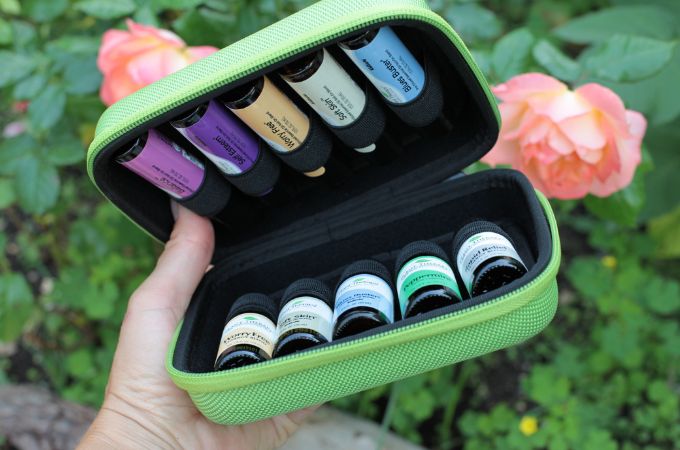
LOVE my hard-top case for essential oil roll-ons. Comes in a variety of fun colors!
Get Yours HERE
The best way though, to prevent messes and extend the life of your blend, is to use a hard protective case designed for roller bottles. These sturdy cases keep your roller safe from pressure, impact, and accidental spills, making them perfect for travel or everyday carry.

Bug Bite Roller Recipe
This adult blend is for adults and older teens, not young children.
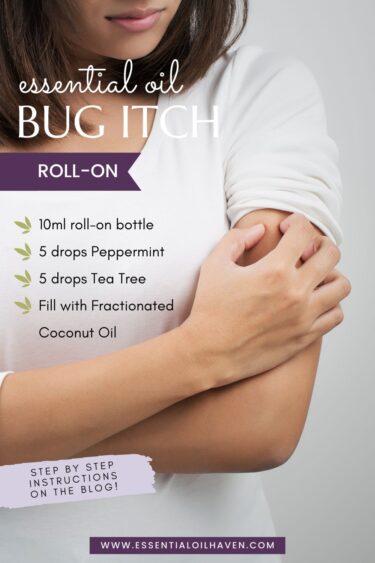
Ingredients for one 10 ml glass roller bottle:

- Empty 10 ml roll-on bottle (like these ones here),
- 5 drops peppermint essential oil
- 5 drops tea tree essential oil
- Top up with fractionated coconut oil or another carrier oil
Peppermint essential oil contains menthol, which creates a cooling effect that helps stop the urge to scratch. Peppermint essential oil provides cooling pain relief and can help reduce swelling and redness associated with bug bites due to its antiseptic properties. When diluted properly, it can reduce itching and calm itchy skin.
Tea tree essential oil has anti-pain, anti-swelling, and anti-itching qualities, making it effective for treating discomfort from various insect bites. The tea tree also offers antiseptic properties and anti-fungal support if bug bites were scratched.
For the carrier oil, I choose FCO because it is thin, rolls well, and has a nearly indefinite shelf life. You can use jojoba oil for a richer feel or sweet almond oil if nut allergies are not a concern. This blend is roughly a 4% dilution for small-area adult use.
Apply your roller over the mosquito bite liberally. Repeat as needed, usually 2-3 times per day.
Kid-Safe Bug Bite Roller Recipe
Children’s skin is more sensitive, and peppermint is often avoided for young kids. Thus, I’ve created this recipe for kids ages 3+ and up, to use as a spot treatment only.
This dilution rate is still set at 4%, but the oils used are more kid-friendly.

Kids LOVE using an essential oil roller. Make sure you give them one that’s safe & appropriate for their age.
Kid-safe 10 ml recipe:
- 5 drops lavender essential oil
- 5 drops chamomile essential oil, Roman or German
- Top up with fractionated coconut oil or another gentle carrier oil
Lavender essential oil has anti-inflammatory and antiseptic properties that help reduce inflammation and prevent infections, making it effective for soothing insect bites.
Chamomile essential oil is known for its anti-inflammatory effects, helping to reduce pain, swelling, and redness associated with bug bites.
NOTE: For children younger than 3, the recipe for a bug bite relief roller should be adjusted to use a lower dilution of essential oils (2%), which means the same amount of carrier oils (about 10 mL), but half the drops of essential oils (total). For infants, I recommend hydrosols instead.
Always patch test and stop if irritation, rash, or discomfort appears.
Step-by-Step: How to Make Your Bug Bite Relief Roll-On

10 ml essential oil roller bottles
This takes about 5 minutes.
- Wash hands; make sure the bottle, roller fitment, and tools are clean and dry.
- Add 5 drops of the first essential oil, then 5 drops of the second essential oil into the empty bottle, holding it at a slight angle for accurate counting.
- Fill the rest of the roller bottle with carrier oil, leaving a tiny bit of head space so the roller ball can snap in without overflow.
- Insert the roller ball firmly, attach the cap, and gently invert the bottle several times to mix the blend. Do not over-shake.
- Label: “Bug Bite Relief Adult” or “Bug Bite Kid-Safe,” main oils, and month/year.
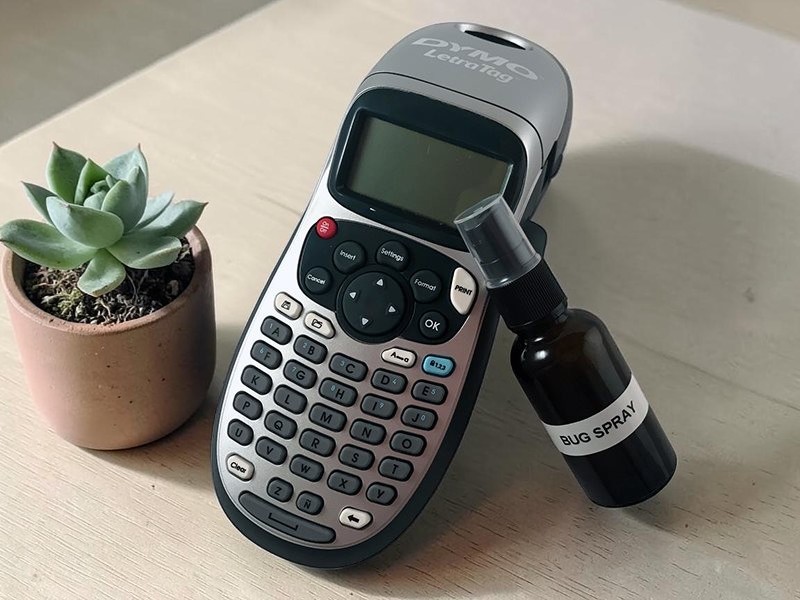
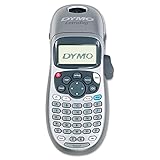
I LOVE my on-demand DYMO label maker. I can label anything with it!!
Get it HERE
How to Use Bug Bite Essential Oil Rollers Safely
Natural aromatherapy still needs caution, especially for kids, pregnancy, asthma, epilepsy, allergies, or sensitive skin.
Roll a small amount over clean skin on the bug bite or insect bite area. Reapply a few times daily as needed. Do not apply to broken skin, open blisters, or bleeding scratches. It is advised to avoid applying essential oils directly onto broken skin to prevent irritation, and undiluted oils should never be applied directly.
Avoid eyes, nose, and mucous membranes; peppermint near the face can feel intense. Performing a patch test before applying essential oils is recommended to ensure no skin sensitivities occur.
Final Thoughts
Essential oils can treat bug bites that are mild only. More severe situations like bee stings, wasp sting reactions, tick bites, venomous spiders, infected skin, face or tongue swelling, breathing trouble, or widespread hives require medical care.

Leave a Reply