
 So you’ve caught a cough… Whether it’s caused by a cold, seasonal allergies, or dry air, finding relief can feel like a challenge.
This guide is here to help!
I’ll introduce the 10 best essential oils for cough, and walk you through how to quickly & easily use them at home.
This post contains affiliate links, which means if you make a purchase through these links, I may receive a small commission at no extra cost to you. Read my full disclosure policy here.
With these easy, practical tips, I hope you feeling better again soon.
Let’s dive in!
What I Use in My Home
Before you dive into all the options, here’s a quick, practical recommendation you can use for both kids and adults:
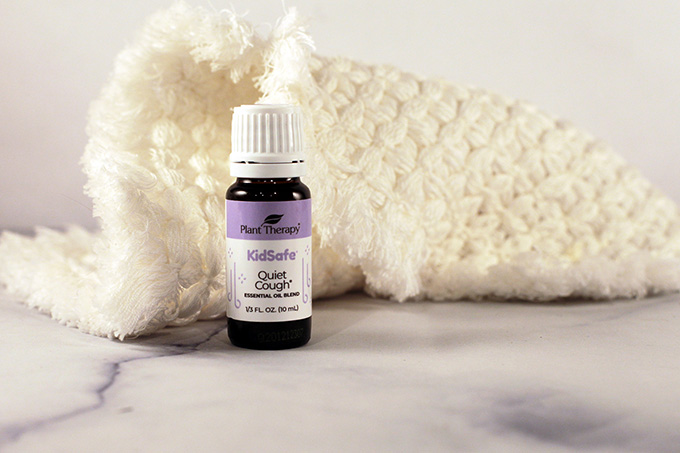
Quiet Cough Blend from Plant Therapy
Buy it here for $17.99
Try the Quiet Cough KidSafe Essential Oil Blend from Plant Therapy or its pre-diluted roll-on version to help support easier breathing and soothe cough discomfort.

This blend is formulated with respiratory-friendly oils like Douglas Fir, Balm Mint Bush, Cypress, Lemon, Lavender, Frankincense, Cardamom, Spearmint, and Bourbon Geranium to help clear airways and encourage easier breathing.
It’s also labeled KidSafe, Pregnancy Safe, and Nursing Safe, so with proper use it’s gentle enough for kids and adults alike.
Best Essential Oils to Help a Cough
Now: essential oils are an easy home remedy to support you when you have a cough. They can support your respiratory system, fight bacteria, and reduce inflammation.
If you have a stash of oils at home, or you love mixing your own diffuser blends for immune support, here’s the 10 oils I’d reach for:
1. Geranium
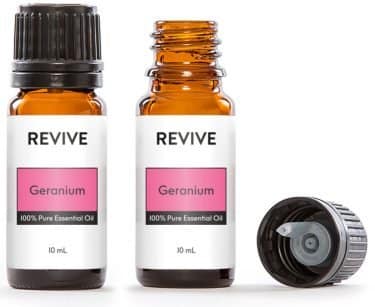
Geranium Essential Oil
Shop here
Address a cough, bronchitis, and other infections in the upper respiratory tract with geranium essential oil (Pelargonium graveolens). Besides fighting infections, Geranium also smells extremely pleasant and is said to uplift your spirits and support your mental health.
2. Tea Tree
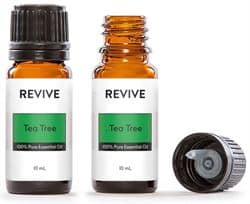
Tea Tree Oil
Buy Here
Stimulate your immune system and eliminate bacterial and viral infections using your Tea tree essential oil (Melaleuca alternifolia). This oil acts as an expectorant capable of easing the cough, and lowering its duration simultaneously.
Tea tree oil has a therapeutic aroma making it desirable to be inhaled. By merely inhaling the fragrance of this oil, you will feel a decongestion of your nasal and oral cavities.
3. Eucalyptus
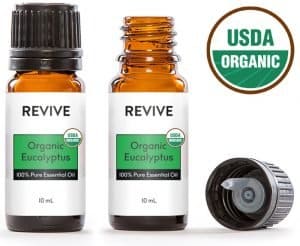
Eucalyptus Essential Oil
Find It Here
Eucalyptus essential oil (Eucalyptus globulus) is ideal for boosting the immunity of your body systems. It is a natural home remedy for your cough. Eucalyptus oil is an antibacterial compound capable of handling your cough and other related illnesses such as sinusitis, pharyngitis, and even bronchitis. Note that there are many varieties of Eucalyptus. While they will all work, Eucalyptus globulus is the most beneficial for coughs and chest congestion.
4. Rosemary
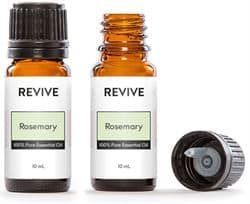
Rosemary Essential Oil
Check Price
Rosemary essential oil (Rosmarinus officinalis) is ideal for soothing the tissues in your lungs and respiratory system, which could be inflamed due to the severity of your cough. This global plant has excellent medicinal values as some researchers have proven that you can administer the oil on asthmatic patients for immediate relief (2).
5. Peppermint
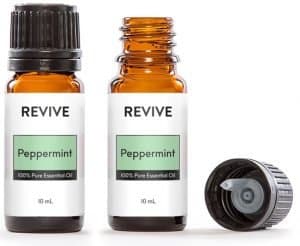
Peppermint Oil
Get It Here
Peppermint essential oil (Mentha piperita) has antibacterial properties, making it suitable for relieving sore throat, improving your breath, and serving as an expectorant. It can also help relieve the severity of a cough, and ease up chest congestion. This oil is valuable for treating other ailments such as headaches and depression, as well.
6. Nutmeg
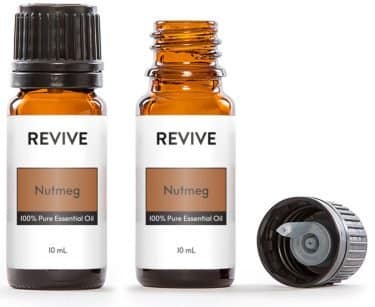
Nutmeg
Great Deals Here
Cough and cold are two significant conditions that can lead to respiratory difficulties. According to experts, Nutmeg essential oil is beneficial as an expectorant for loosening secretions, mucus, and cough in the lungs.
7. Lavender
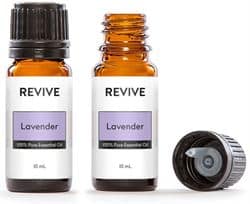
Lavender Essential Oil
Buy Organic Lavender
Lavender essential oil (Lavandula angustifolia) is useful in treating severe cough conditions, even asthma (3). It has powerful ingredients that can clear your airways of asthmatic inflammation and blockage. According to a publication of the US National Library of Medicine, National Institutes of Health, if you have bronchial asthma, lavender essential oil can suppress the attack (4).
8. Oregano
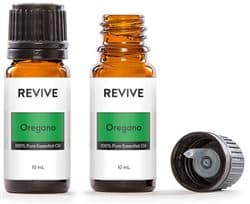
Oregano Oil
Shop Here
Oregano essential oil (Origanum vulgare) features antibacterial and antifungal properties. These active ingredients can help fight respiratory infections and soothe irritated airways. A publication by the US National Library of Medicine, National Institute of Health states that oregano oil has a primary active constituent, carvacrol (5), which supports the immune system and promotes a faster recovery.
9. Cypress
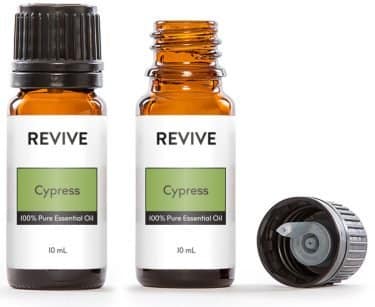
Cypress Essential Oil
Get it here
Cypress oil (Cupressus sempervirens) is one of the best aromatherapy oils that can help you overcome the effects and symptoms of a cough. It has an active ingredient called camphene. Experts from the American Chemical Society (ACS) have proven that cypress oil contains about sixty to eighty percent of camphene (6). It is generally noted that this element can eliminate nasal or mucosal congestions in the respiratory tract of cough sufferers.
10. Cinnamon
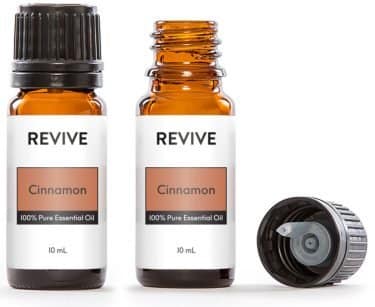
Cypress
Get it here
Cinnamon essential oil (Cinnamomum verum) is beneficial for cough relief due to its natural antibacterial and anti-inflammatory properties, which help combat respiratory infections and reduce throat irritation. Additionally, its warming effect can soothe discomfort, promote circulation, and provide a comforting sensation during recovery.
Diffuser Blend for Cough
 Diffusing essential oils can eliminate airborne bacteria and germs. If you have a cough or congested chest, use the following diffuser blend to clean the air in your house or room(s):
- 4 drops Eucalyptus
- 2 drops Peppermint
- 2 drops Cypress
You may also elect to use one of these diffuser blends that strengthen your immune system. The more support as you can give your system during this time of weakness, the better.
Just getting started with diffusing? Here’s how to use your essential oil diffuser.
If the feeling of tightness in your chest is due to an asthmatic condition, have a look at this Essential Diffuser Recipe from my friends at Simply Earth. It’s a beautiful blend for respiratory support using the oils of Eucalyptus, Cardamom and Cedarwood (Himalayan).
How to Use Essential Oils for a Cough
Cough and a congested chest are symptomatic of many acute and chronic ailments and respiratory conditions. Some example are: the common cold, pulmonary diseases, respiratory dysfunction, pneumonia, bronchitis, flu, and other respiratory tract infections.
Essential oils are natural extracts from plants and have served many different cultures for centuries in attaining better health and well-being.
Essential oils are often recommended as a home remedy in addition to conventional medicine. Studies have proven moderate results in this respect, with only few minor adverse effects (1).
To reap the benefits of essential oils to ease your cough, you can:
Inhale the Oils by Using a Diffuser
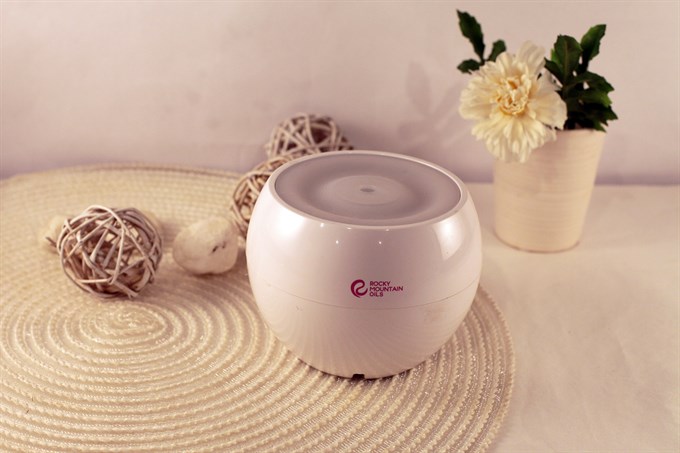
Droplet Diffuser from Rocky Mountain Oils
Get it HERE
Essential oils work extremely well through the pathways in our nose. Our sense of smell quickly absorbs the substances and puts them to work in our system. Inhale the oils by adding a few drops to your diffuser. After a while, check the extent of relief you feel, and adjust the quantity you put in your diffuser for a better result.
Smell from a Cotton Round
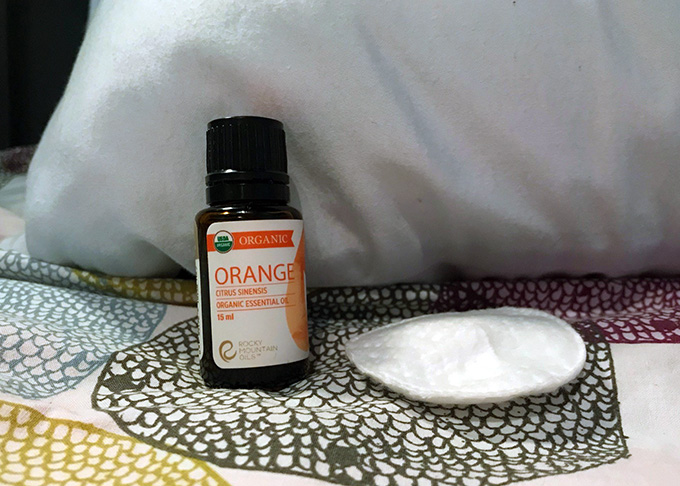
Place a few drops of essential oils onto a simple cotton round.
Place a few drops of essential oils on a cotton round an simply inhale from there. This method also works nicely if you wish to place the cotton round under a pillow, or at your work space. You will be able to inhale it through the air without the need of any extra equipment.
Steam Inhalation

An aromatherapy steam bath can work wonders when you’re suffering from cough or chest congestion.
When suffering from a cough or chest congestion, a hot steam bowl is a wonderful way to use essential oils. Add 2-4 drops of oils into a cup of hot boiling water and inhale for 6-8 minutes. Repeat three times daily. If you have the time and space, mix a bigger bowl of hot water that you can hold your whole face over. Inhale the hot steam into your lungs. Cover yourself (leaned over the bowl) with a towel for maximum effect. Repeat this process for 2-3 days until you feel improvements in your lungs.
Apply to Your Body as a Chest Rub
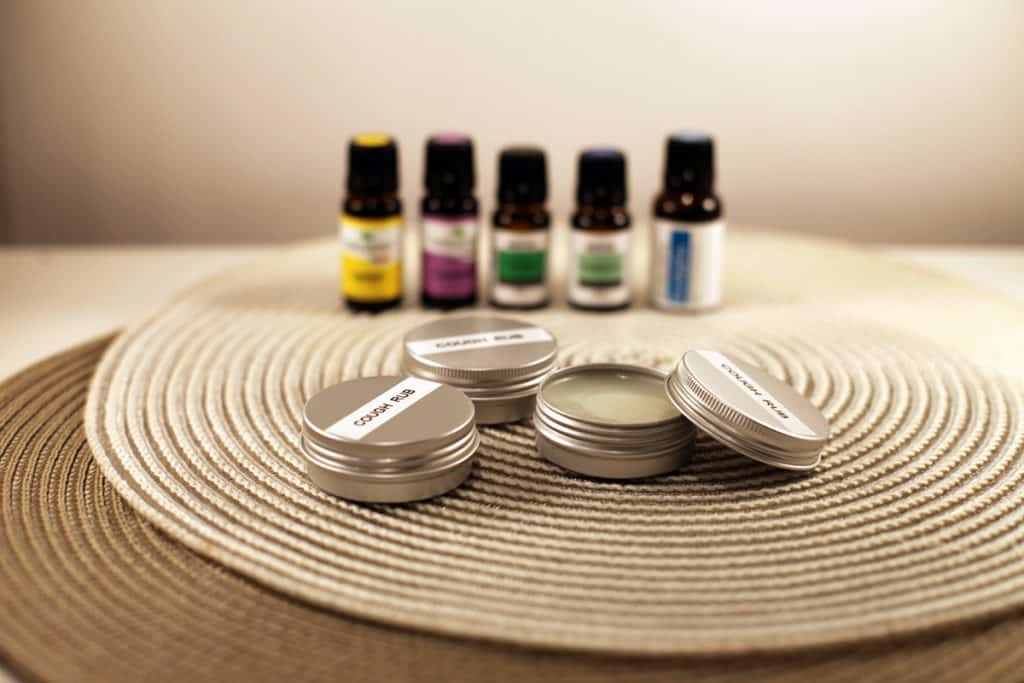
I make my own chest rub with essential oils.
Recipe HERE
You can also use essential oil on your body as a natural chest rub. As a most basic application, mix the essential oils with a carrier oil, then massage it onto your chest and back. You need to dilute the essential oils first before applying them to the body, especially if you have sensitive skin. See this guide to dilution rates for all ages.
If you’re a bit more adventurous (or advanced), create my DIY Vapor Rub recipe and keep it at the ready for the cold & flu season.
Aromatherapy Bath

Sitting in an essential oils bath is super relaxing!
Simply add 3-5 drops of essential oils to your bathwater. Swirl to combine before you start your soak. You’ll enjoy the steam inhalation effect, plus a very diluted topical use of the essential oils.
Risks of Using Essential Oils
While essential oils are readily available, this doesn’t mean that they’re without possible side effects. They are highly concentrated and if applied improperly, can cause skin irritations, rashes, or allergic reactions.
The essential oils industry is not regulated or controlled. You should always consult with your medical professional, doctor or family physician to ensure natural home remedies will not interfere with your overall health condition. Only a trained professional can give you a well-rounded assessment, taking into consideration you medical history and tendencies.
Please use essential oils carefully. If you are in a special situation such as pregnancy, breastfeeding, elderly or are considering using essential oils for kids, always read up on each essential oil fully before going to use it. Consult a Certified Aromatherapist in your area for the best advice.
Final Thoughts
 I hope this guide has shown you just how helpful essential oils can be in easing a stubborn cough and supporting your respiratory health. Whether you choose to diffuse them, create a soothing chest rub, or enjoy the benefits of a steam inhalation, these natural remedies are simple yet effective tools to help you feel better.
Remember, a little goes a long way with essential oils, so always use them mindfully and with care. And of course, if your cough persists or worsens, don’t hesitate to seek advice from a healthcare professional.
Lastly, please only use high quality essential oils from a trusted essential oil brand to ensure their therapeutic value. Not all essential oils are created equal and many factors affect the end product, such as plant farming practices, methods of extraction, and bottling facility standards. The essential oils industry isn’t regulated, therefore, consumers should be aware of the components of a quality essential oils brand.
Resources
- Herbal Medicine for Cough: a Systematic Review and Meta-Analysis: https://www.karger.com/Article/FullText/442111
- Essential oils in the treatment of respiratory tract diseases: https://onlinelibrary.wiley.com/doi/full/10.1002/ffj.3252
- 10 Essential Oils for Your Cough: https://www.healthline.com/health/essential-oils-for-cough
- Lavender essential oil inhalation suppresses allergic airway inflammation: https://www.ncbi.nlm.nih.gov/pubmed/24909715
- Antiviral efficacy and mechanisms of action of oregano essential oil: https://www.ncbi.nlm.nih.gov/pubmed/24779581
- https://www.acs.org/content/acs/en/molecule-of-the-week/archive/c/camphene.html


Ravintsera Essential oil
Dear Emma,
I have experienced coughing for years….. because of my sinus and post nasal drip.
Have used many kind of medicines..
Can you suggest what should I used / drink…
I am 67 years old,
Appreciate your suggestion..what to buy.
Thank you
Jenny